


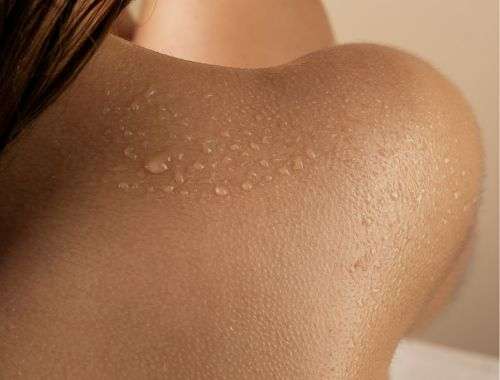
Dermatology: Aesthetic treatments for healthy and youthful skin
The skin remembers the sun, the weather, the emotions and the care we give it.
At the Alabdulla Polyclinic, we see dermatology as a combination of professional medical care and elegant skin aesthetics. We are here for you when you want to:
preserve skin health, prevent changes, improve texture or emphasize natural glow without exaggeration.
Our approach is quiet, precise and individual.
We tailor each examination and treatment to you, because skin is a personal story.
What does dermatology include in our polyclinic
1. Dermatological skin examinations
A thorough, calm examination that includes an assessment of the skin, moles and pigment changes with dermatoscopy.
Ideal for regular check-ups, monitoring of changes and prevention.
2. Skin condition diagnostics
We analyze the most common dermatological problems such as:
- pigment changes
- sun damage
- acne and scars
- rosacea and redness
- seborrheic dermatitis
- textural skin irregularities
A care and treatment plan is created by a dermatologist based on your skin condition and goals.
3. Aesthetic dermatology
For women who want to improve the quality and glow of their skin with a medically guided, subtle approach.
Our focus is on freshness, evenness, firmness and a natural look.
See more:
→ Face masks
→ Skymedic Fotoage
→ Hydrafacial treatment
4. Skin rejuvenation
For skin that wants more than care.
We use advanced medical treatments to improve texture, tone and elasticity with natural results.
See more:
→ Dermapen treatment
→ Skinbetter chemical peeling
→ Morpheus8 treatment
Our approach to skin care
An elegant, medical and subtle approach is based on:
- individual assessment and plan
- prioritizing health over aesthetics
- a natural look without exaggeration
- education about care and long-term prevention
- advanced dermatological methods
Beauty comes from balance, not aggression towards the skin.
Frequently Asked Questions
- When should I see a dermatologist?
It is recommended to see a dermatologist if you have long-lasting acne, rashes, skin discoloration, moles that change shape or size, itching, redness, flaking, or any unclear changes to the skin. - What skin problems does a dermatologist most often treat?
The most common dermatological problems are acne, eczema, atopic dermatitis, rosacea, psoriasis, fungal infections of the skin and nails, allergic reactions, and monitoring and examining moles. - Does a dermatologist also conduct preventive examinations?
Yes. Dermatologists conduct preventive examinations of moles and skin changes for the early detection of possible irregularities. - What does a dermatological examination look like?
During a dermatological examination, a specialist visually examines the skin, scalp, or nails in the area where the problem is located. If necessary, he or she may use a dermatoscope for a more detailed analysis of moles or other changes. - How long does a dermatological examination take?
A standard dermatological examination usually takes between 15 and 30 minutes, depending on the complexity of the change and the diagnostic procedures required. - Do I need to prepare for a dermatological examination?
No special preparation is usually required. It is recommended to come without makeup on the part of the face being examined, and to avoid applying creams or products that could hide the natural condition of the skin. - Can a dermatologist recommend therapy or skin care products?
Yes. A dermatologist can recommend medical therapy, topical products, or a care routine tailored to your skin condition and medical needs. - How often should you have a mole check?
It is recommended to have a preventive mole check at least once a year, and more often if there is a family history of skin cancer, a large number of moles, or changes in moles. - Are dermatological examinations safe for pregnant women?
A visual dermatological examination is safe throughout pregnancy. Any procedures or diagnostic procedures require an individual assessment by a dermatologist. - When should you see a dermatologist urgently?
Urgent consultation is required for sudden changes in moles, rapidly spreading redness, severe swelling, painful skin changes or severe allergic reactions.
