


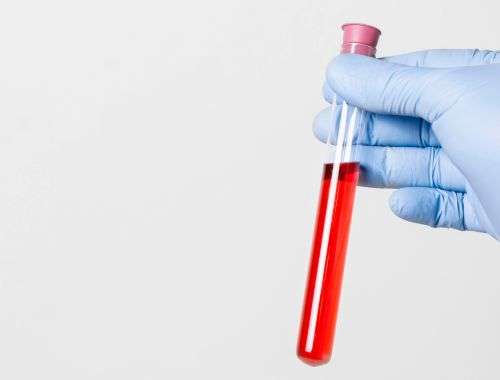
Complete Laboratory Tests for Health Assessment
Laboratory tests are a key tool in medicine that helps doctors make a diagnosis, monitor the progress of a disease, and assess the effectiveness of treatment. These tests are performed on samples of blood, urine, tissue, or other body fluids and tissues.
Types of Laboratory Tests
1. Blood Tests
Laboratory blood tests are often part of routine or systematic examinations and are essential for assessing health status, diagnosing diseases, and monitoring the course of the disease. A complete blood count is most often performed, and the findings we obtain make it easier and enable doctors to accurately assess organ function, diagnose various diseases, detect risk factors for heart disease, monitor the effectiveness of therapy, and analyze blood clotting. It is important to note that blood tests alone cannot always fully diagnose diseases.
- Complete blood count (CBC)
- Assess general health, detects anemia, infections, leukemia, and other blood disorders.
- Biochemical tests
- Assess organ function (liver, kidneys), metabolic disorders.
- Enzyme tests
- Assess organ damage or disease.
- Hormonal tests
- Assess endocrine gland function, diagnoses hormonal disorders.
- Specific markers
- Diagnoses specific diseases or conditions.
2. Urine tests
- Urinalysis (UA)
- Assessment of general health, diagnosis of urinary tract infections, kidney diseases.
- Urine culture
- Diagnosis of bacterial urinary tract infections.
3. Stool analysis
Blood in stoolScreening for gastrointestinal bleeding, diagnosis of colorectal cancer.
4. PCR tests
Diagnosis of infections caused by viruses, bacteria.
5. Genetic tests
Detection of genetic disorders, assessment of risk for hereditary diseases.
6. Serological tests
Diagnosis of infections, autoimmune diseases.
7. Coagulation tests
Assessment of coagulation disorders, monitoring of anticoagulant therapy.
Preparation for laboratory tests
Some tests, such as glucose levels or lipid status, require avoiding a heavy and fatty diet (usually 8-12 hours). Some medications can affect test results. It is important to inform the medical staff about all medications you are taking. Adequate fluid intake can help in collecting urine and blood samples.
Importance of laboratory tests
1. Diagnosis
Identification of a disease or condition.
2. Disease monitoring
Monitoring the progression of the disease or response to therapy.
3. Screening
Detection of disease before symptoms appear.
4. Health assessment
Checking general health and organ function.
Laboratory tests are essential tools in medical diagnostics and treatment. They provide accurate information about a patient’s health and help make informed decisions about further treatment. Proper preparation and collaboration with medical staff are key to accurate results and a successful diagnosis.
